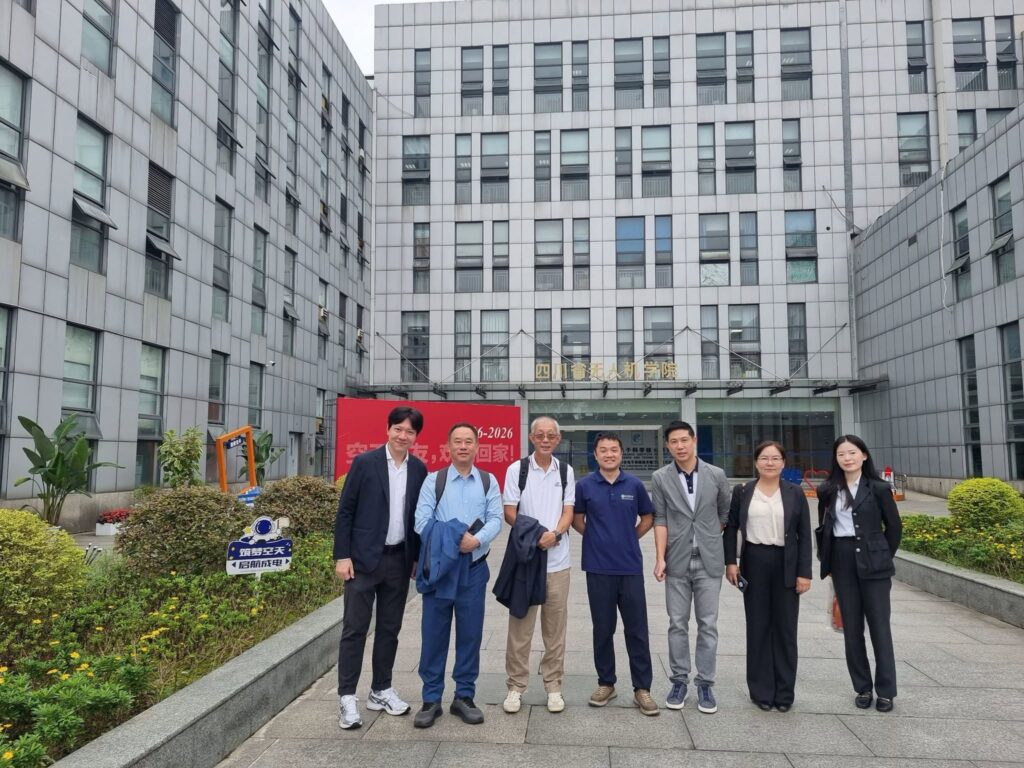
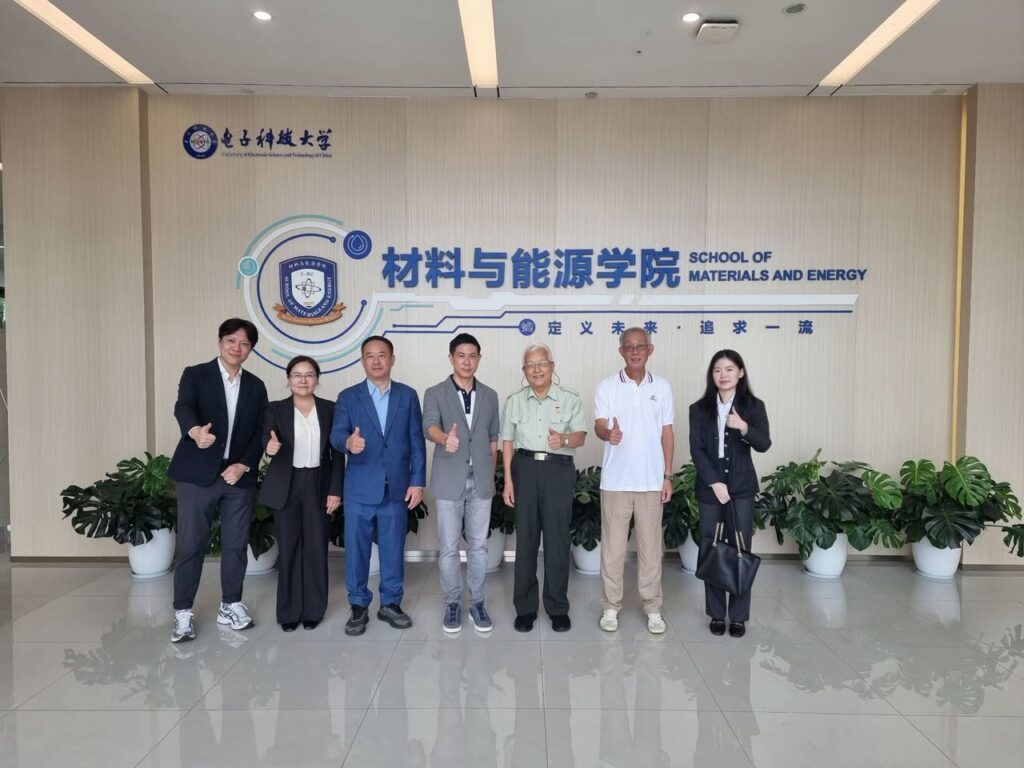
From 26–29 September 2026, the Thailand Printed Circuit Association (THPCA), together with industry and academic partners, visited the University of Electronic Science and Technology of China (UESTC) to strengthen cooperation on workforce development, research, and technology capability for Thailand’s growing PCB industry.
The visit focused on the development of the Thailand Electronics Circuit Center (TECC), including curriculum design, laboratory development, practical workforce training, research and development (R&D), and future academic–industry collaboration.
Preparing the Workforce for Thailand’s PCB Growth
Thailand’s rapidly expanding PCB industry is expected to require more than 70,000 additional workers by 2030, with approximately 80% at operator and technician levels and 20% at engineering levels.
Meeting this demand will require more than increasing the number of graduates. Training programs must also provide the practical skills, technical knowledge, and manufacturing experience required by modern PCB factories.
TECC is being developed to help address this challenge by creating a stronger connection between education, practical training, research, and real industry requirements.
Developing TECC as a Training and R&D Platform
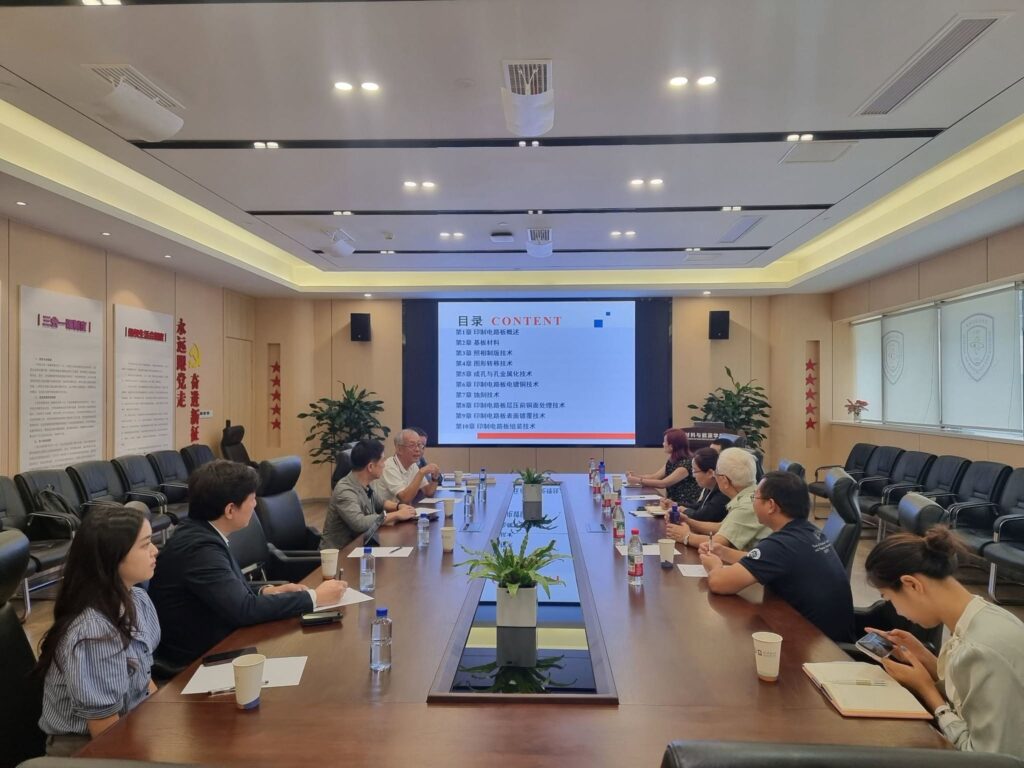
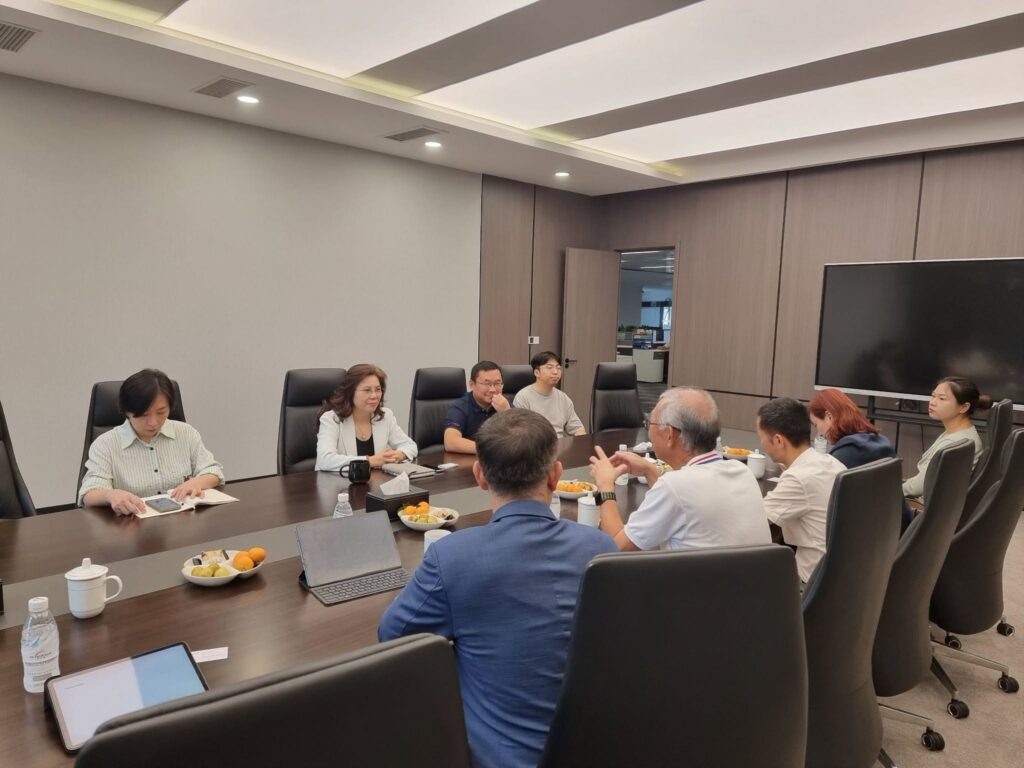
During the discussions with UESTC, the delegation explored how TECC can support both workforce development and industrial R&D through:
- hands-on technical training;
- laboratory-based learning;
- industry-relevant curriculum development;
- applied research and technology development;
- training for engineers, technicians, and operators; and
- closer collaboration between universities and industry.
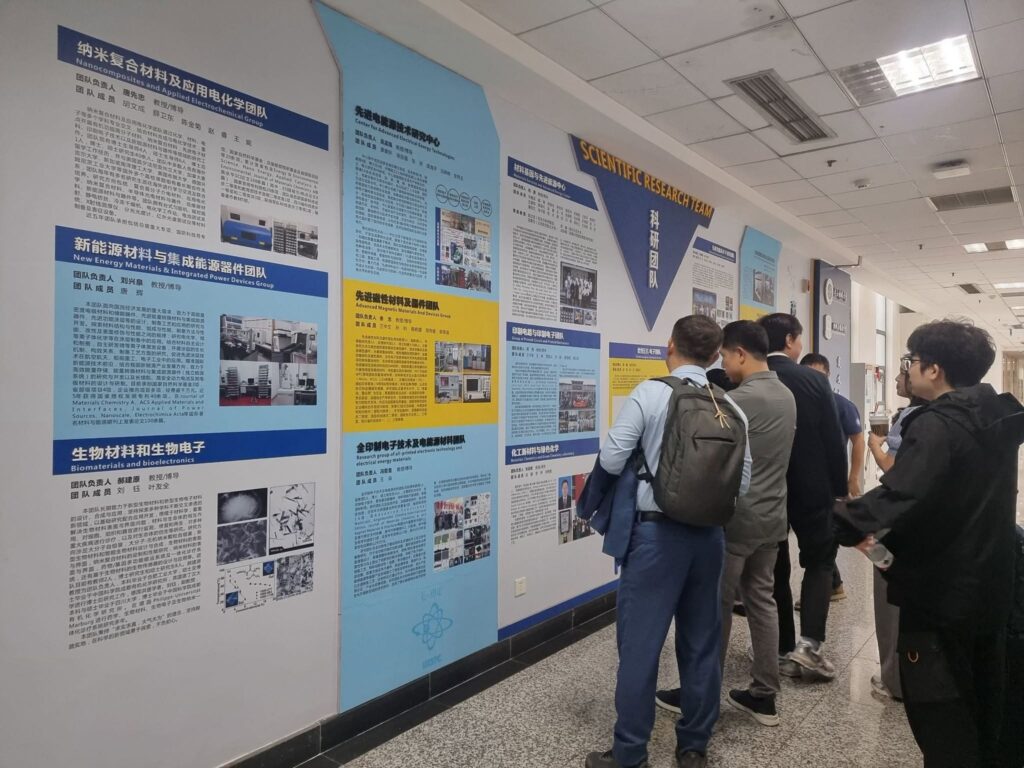
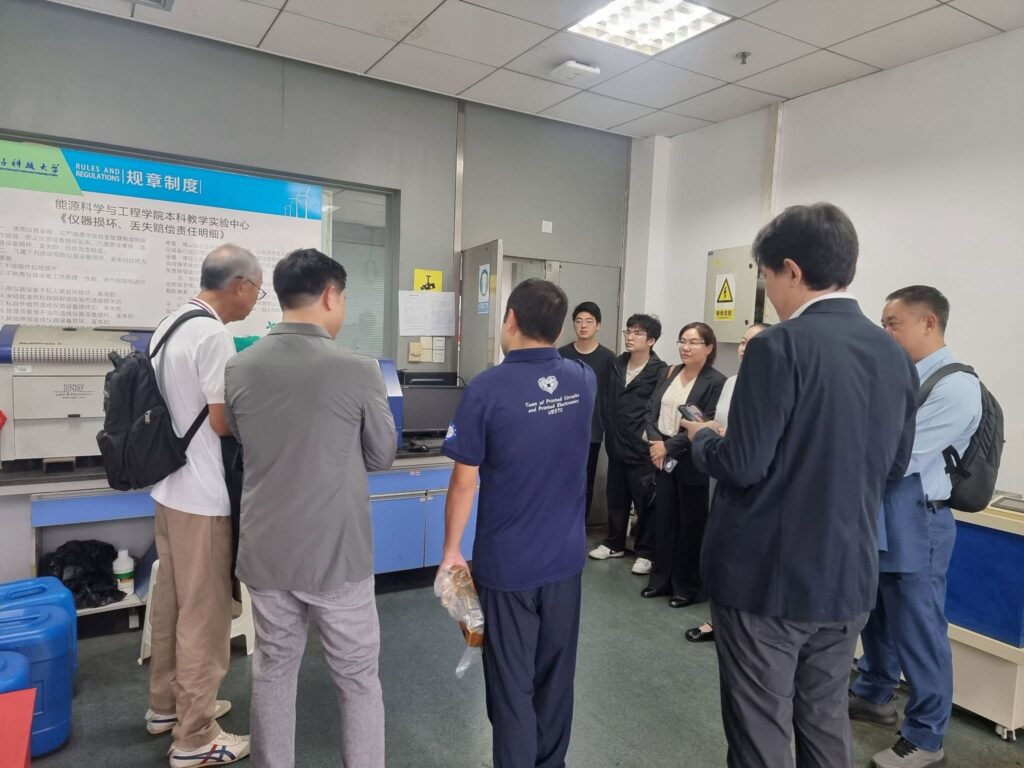
The delegation also toured UESTC’s laboratory facilities and discussed approaches to developing laboratories and training infrastructure in Thailand.
These exchanges provided valuable references for building TECC as a practical platform where students, instructors, researchers, and industry professionals can develop skills and technologies relevant to PCB and advanced electronics manufacturing.
Connecting Training with Real Manufacturing Requirements
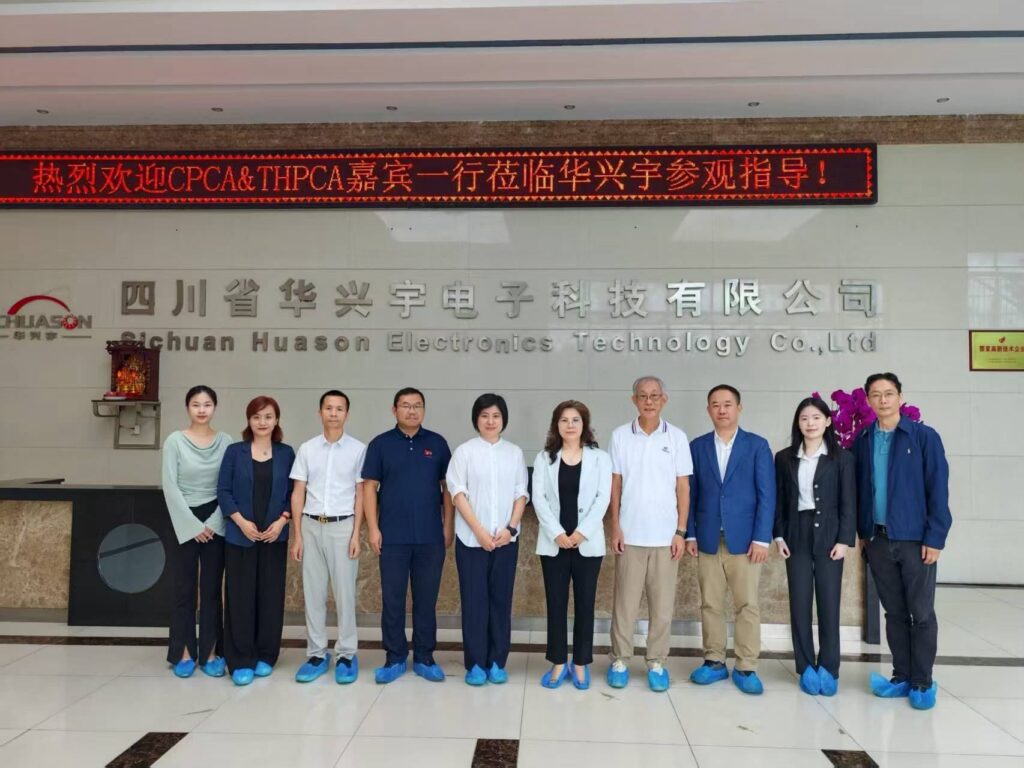
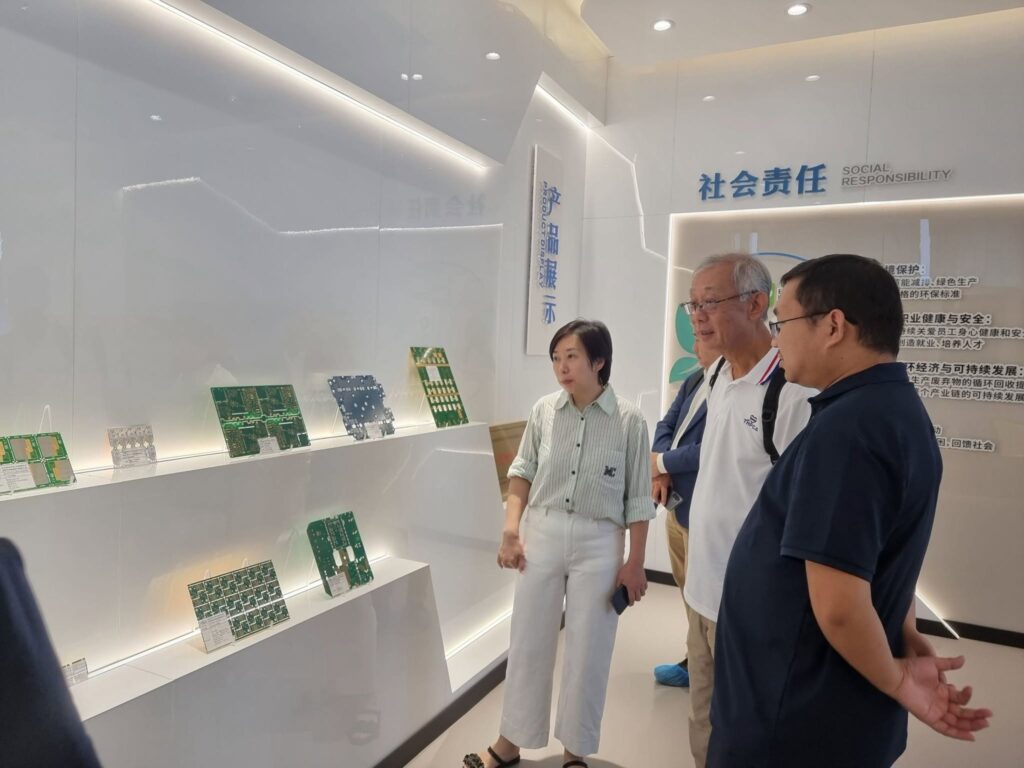
As part of the visit, the delegation also visited Sichuan Huason Electronics Technology to gain a closer understanding of PCB manufacturing processes, production environments, and the technical capabilities required from the workforce.
Connecting academic training with actual factory requirements is an important part of the TECC development model. It can help ensure that training programs reflect real manufacturing conditions and that participants develop skills that can be directly applied in industry.
Strengthening Long-Term Industry–Academia Collaboration
The visit further strengthened collaboration among industry, academia, and professional organizations, creating a foundation for continued cooperation in curriculum development, laboratory capability, talent development, knowledge transfer, and applied research.
Through TECC, THPCA aims to support Thailand in developing not only the workforce required for current industry expansion, but also the technical and R&D capabilities needed for long-term competitiveness.
The collaboration with UESTC represents another important step toward building a stronger talent and technology ecosystem for Thailand’s PCB and advanced electronics industry.