

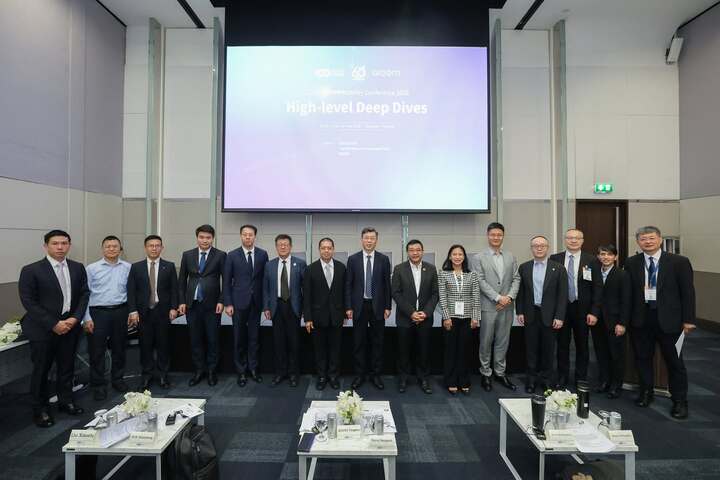
On 14 May 2026, the Thailand Printed Circuit Association (THPCA) participated in the BOI Symposium x Global Future Mobility Conference 2026 (GFM 2026), held at BITEC Bangkok under the theme “Thailand Towards Smart Green Mobility.”
The conference brought together policymakers, industry leaders, technology providers, and automotive stakeholders to discuss strategies for strengthening Thailand’s position in the rapidly evolving future mobility landscape. Key topics included electric vehicles (EVs), intelligent transportation systems, advanced manufacturing technologies, and the development of a sustainable mobility ecosystem.
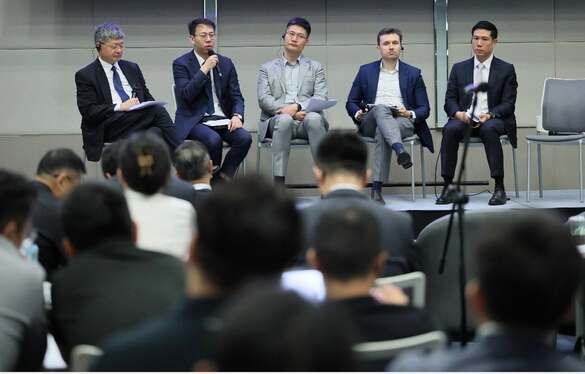

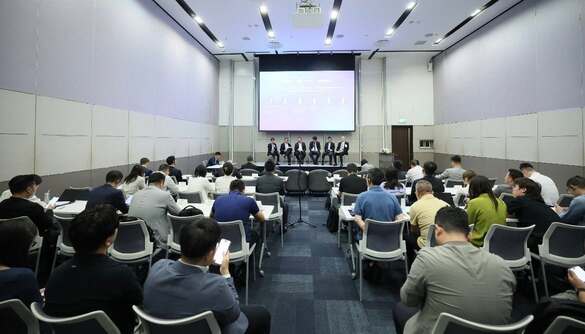
As part of the conference program, Mr. Swaek Prakitritanon, Vice President and General Secretary of THPCA, joined a panel discussion on the development of Thailand’s intelligent automotive industry ecosystem. During the session, he highlighted Thailand’s significant opportunity to become a strategic manufacturing and supply chain hub for electronic components that support the next generation of electric vehicles and intelligent mobility technologies.
Mr. Swaek emphasized that the future of the automotive industry is increasingly driven by electronics, with advanced printed circuit boards (PCBs), electronic assemblies, semiconductors, sensors, and communication technologies playing critical roles in vehicle performance, safety, connectivity, and autonomous driving capabilities. Thailand’s strong manufacturing base, combined with ongoing investment from global electronics companies, positions the country to capture new opportunities within the global mobility value chain.
He also noted that the development of communication infrastructure will be a key enabler for connected and autonomous vehicle technologies. Reliable high-speed networks, intelligent transportation systems, and digital infrastructure will be essential to support vehicle-to-vehicle (V2V), vehicle-to-infrastructure (V2I), and other emerging smart mobility applications.
In addition to infrastructure development, workforce readiness remains a critical priority. Mr. Swaek stressed the importance of talent development, reskilling, and upskilling programs to prepare engineers, technicians, and industry professionals for the rapidly changing requirements of the automotive electronics sector. Strengthening collaboration between industry, educational institutions, and government agencies will be essential to ensure Thailand has the skilled workforce needed to support future growth.
THPCA remains committed to supporting collaboration and knowledge exchange across the PCB, PCBA, EMS, Semiconductor, and Advanced Electronics industries. Through industry engagement, technical development initiatives, and partnerships with stakeholders throughout the electronics ecosystem, the association continues to contribute to strengthening Thailand’s competitiveness and supporting the country’s transition toward a smart, sustainable, and globally connected mobility future.